



With patents of 1717 and 1719, the Austrian Emperor Charles VI proclaimed Trieste a free port and granted it various privileges. In these circumstances, various merchants from all parts of Europe began to flock to Trieste. These privileges were later expanded by the Austrian Empress Maria Theresa, with her significant patents of 9 January 1745 and 27 April 1769.
As early as 1736, the first Serbian traders settled in Trieste from Herzegovina, Bosnia, Montenegro and Dalmatia, and soon after also from Srem, Banat and Lika. At the same time as the first Serbs, the first Greek traders also settled in Trieste. With a diploma from Empress Maria Theresa dated 20 February 1751, the original of which is in the Serbian Orthodox religious community of Trieste (in the text below CRSO), the Greeks were allowed to found a religious community and to erect a temple in Trieste. The construction of the temple began as early as 1751.
The Serbs of Trieste, eager to pray to God in an Orthodox temple, immediately joined their Greek co-religionists, helping them generously for the construction of the temple. For this reason, in the Committee for the construction of the temple we also find two Serbs. The temple was dedicated to St. Spyridon the Wonderworker.
Already in 1756 a Greek-Serbian religious community was established in Trieste. The first Statute, common for Greeks and Serbs, was deliberated by the Assembly of the confraternity on 30 August 1772 and approved by Empress Maria Theresa on 28 February 1773.
There was disagreement between the Greeks and the Serbs about the priests and the language to be used in the Holy Liturgies, as the Holy Liturgies were officiated only by the Greek priest. The Serbs "were very sorry not to have a Serbian priest", who would officiate in the "language known and dear to them". This dispute was resolved by the imperial rescript of 1 March 1781, which stipulated that religious services in the common temple of St. Spyridon were to be officiated alternately by the Greek and Serbian priests, respectively in Greek and Old Slavonic.
The Greeks, dissatisfied with this rescript, abandoned the union with the Serbs on Holy Thursday of the year 1781. The final separation was validated by decree of the governor of April 2, 1782. From then on, the separate religious life of the Greeks and Serbs of Trieste began, although in fraternal harmony and love.
The Serbs, who were left with the temple built in common, paid the difference to the Greek brothers, completed it and decorated it. This common temple had been built on a marshy and landslide land, where once there were salt pans, then it began to "sway", "the domes to tilt" and "its walls to crack", as the notes of the time say. Therefore, the Council of the Community decided in 1858 to demolish this temple and to build a new, larger and more beautiful one on the same site. The temple was demolished in the spring of 1861 and immediately the construction of the new temple, the current one, was also dedicated to St. Spyridon the Wonderworker. It was completed and consecrated in 1869.
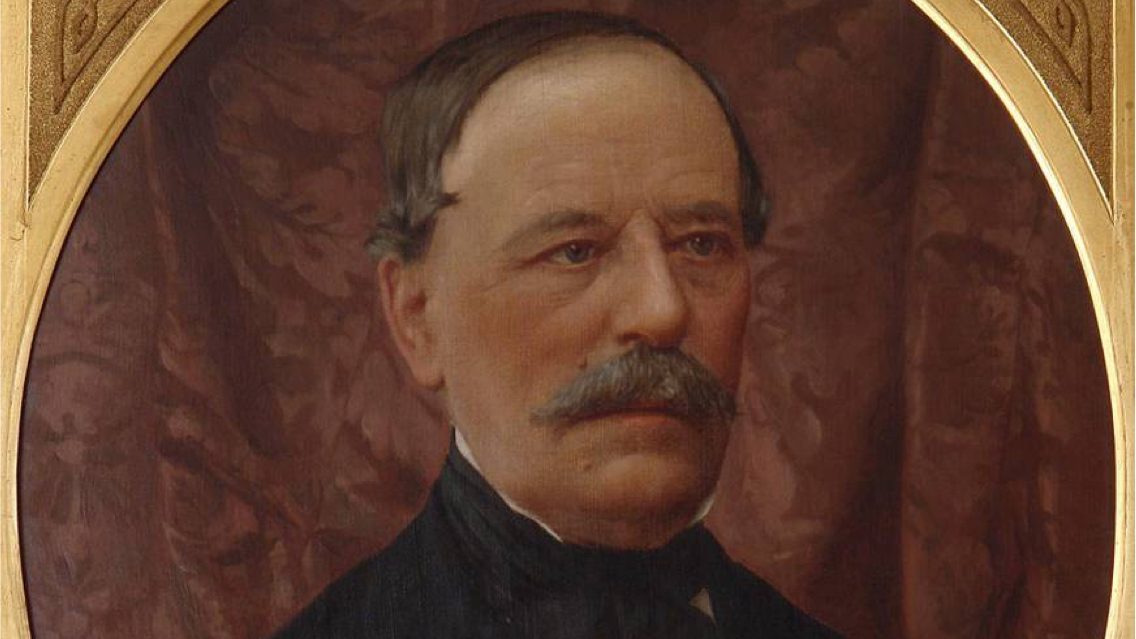
John Covacevich / Јован Ковачевић
Already on September 1, 1793, in the Assembly of the Brotherhood, the Serbs gave themselves a Regulation-Statute, which differed very little from the Statute common with the Greeks of 1773. The Regulation-Statute bore the title "Statutes and Regulations of the Illyrian Nation and Brotherhood established since the year 1748 in the city and free port of Trieste", or, according to the translation by Vuk Stefanović Karadžić, "Statutes and Regulations of the Serbian people and Brotherhood in the city and free port of Trieste". This Regulation-Statute was approved in 1793 by Emperor Francis II and remained in force until 1929, or until 1950, when it was really outdated and it proved necessary to keep up with the spirit of the new times, as the historian M. Purković writes.
On 20 July 1925 the "Agreement on the Serbian-Orthodox Religious Community of Trieste" was signed in Nettuno between the Kingdom of Italy and the Kingdom of Serbs, Croats and Slovenes, preceded by other conventions (of Rome of 27 January 1924 and 2 July 1924). According to the Neptune Agreement (in the following text: Neptune Convention) the Statute of 1793 was deprived of force, the CRSO lost Serbian and Orthodox character, because Article 2 of the Convention said that the Community would have "the character of a Serbian-Croatian-Slovene people's religious body". The right of control over it passed from the government of the Kingdom of Italy to the government of the Kingdom of Serbs, Croats and Slovenes (Article 2).
According to Article 5 of the Neptune Convention, and at the request of the Royal Yugoslav Consulate in Trieste (number 701 of 28 November 1928 and number 56 of 12 December 1928), the Council of the Community "voted" the new Regulation-Statute, in the session of 12 December 1928, even though this was not within its competence, since this right belonged exclusively to the Assembly of the confraternity. This new Regulation ("Regulation of the Serbian-Orthodox Religious Community of Trieste") was approved on 22 April 1929 (no. 3352) by the President of the Ministerial Council and the Minister of Foreign Affairs of the Kingdom of Yugoslavia and blessed by the Holy Synod of the Serbian Orthodox Church (Sin no. 675/Verb. 473 of 11 April 1929). Article 2 of the Regulation reaffirmed the Yugoslav character of the Serbian religious community: "the Serbian religious community of Trieste and its institutions have the character of a Serbian-Croatian-Slovenian people's body". According to the Neptune Convention and this Regulation, the right of control of the Community passed from the government of the Kingdom of Italy to the Kingdom of Yugoslavia. The meetings of the Council were sometimes attended by the Yugoslav consul or one of his envoys as "in charge of the Royal Government", through which the Kingdom of Yugoslavia exercised its right of control, depriving, in fact, the Community of its autonomy. This was also confirmed by the fact that on 12 December 1928 the Council voted on the new Statute in place of the Assembly of the Community, the only one to have the right to do so, according to the Statute of the founding fathers of the Community. This new Statute remained in force until the beginning of the Second World War.
The wheel of history that thundered around the world during the twentieth century left very deep traces throughout Europe. The whirlwind of European and world events also involved the Serbian Orthodox religious community of St. Spyridon Thaumaturgo of Trieste.
Since the Convention of Neptune was never ratified by the Italian Kingdom, the beginning of the war with Yugoslavia on April 6, 1941 provided the pretext for Italy to appoint its own Commissioner, who directed the Community until the end of the Second World War. After the entry of the Yugoslav communists into Trieste, a further change took place.
For their part, Velimir Đerasimović, who had been working in the Trieste school for years, was appointed commissioner. This period was remembered as one of the most complex in the history of the Community. Yugoslav communists, known as enemies of the Serbian Orthodox Church, killed the parish priest Petar Vojinović and his wife Milka in 1944.
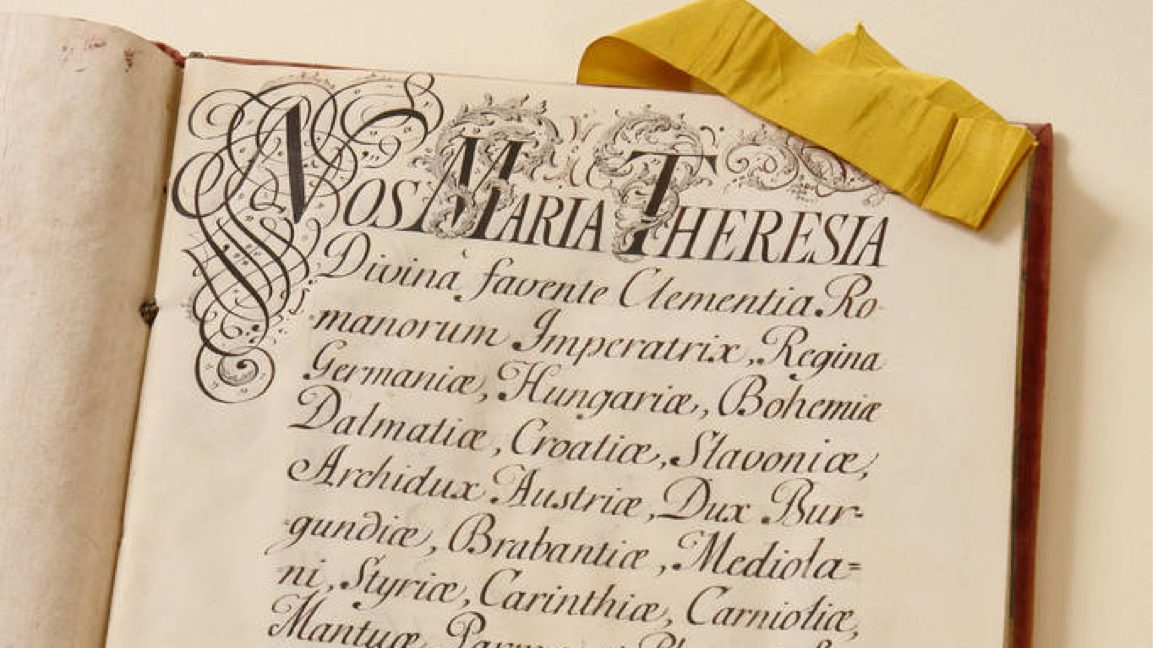
Patent of Maria Theresa 1751 / Патент Марије Терезије из 1751
With the change in the political situation and the abandonment of the city by the partisans, at the Assembly of the Brotherhood of 10 October 1948 the Community concluded that the Statute of 1793 was obsolete, and that of 1928 irregular and unacceptable for the Brotherhood of the Community. For this reason, the Assembly of the Community began the process of amending and integrating the Statute of 1793; the new Statute was adopted on 28 August 1949 and was in force until 1967. The autonomy of the Community was successfully protected together with the mission of promoting faith and charity in the spirit of the Orthodox religion. With the aim of adapting the Statute to the laws of the Italian Republic, it was amended several times. It was not until 1966 that it was decided to start its profound changes.
With the Decree of the President of the Italian Republic, published in the Official Gazette on 16 January 1967, the new Statute came into force. With this Statute, the autonomy of the founding fathers and the institution of the confraternity were safeguarded.
Over the centuries this institution has gradually disappeared in the Serbian Orthodox Church, and the confraternity of Trieste is the only one remaining in the whole Serbian Church. By its existence and activity, it represents a Historical rarity and a A fine example of the faithful in the bosom of the Church who work for her good. We cannot and must not remain silent about the fact that the Community, in order to safeguard its historical role and to protect itself from the communist regime in Yugoslavia, with the Statute of 1967 adhered to the Serbian Orthodox Church in the Free World. How much this bothered the Broz regime is evidenced by the two attempted kidnappings of the then president of the Community Dragoljub Vurdelja. The Serbian Orthodox religious community remained part of the autonomous Serbian Orthodox Church in the Free World until 1989, when, with the decision of the brotherhood, and above all thanks to the commitment of the late president Dušan Šain, it returned to the mother church with its headquarters in Belgrade. There is numerous and unassailable evidence of the attempts of the mother church, that is, of the Patriarchate and of some current bishops, to annul the Statute of the founding fathers and take away the autonomy of this religious community in the diaspora of such great importance.
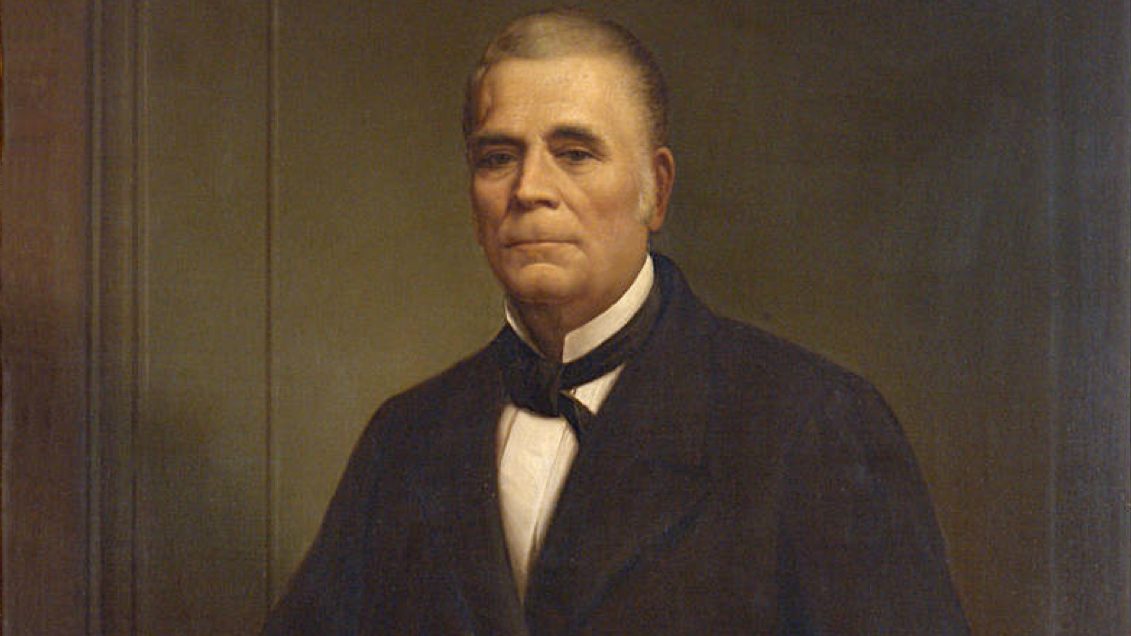
Alexander Covacevich / Александар Ковачевић
Autonomous in accordance with their Statutes, we members of the CRSO and of the confraternity also today, as in all the previous 260 years, safeguard our Orthodox faith and the legacy of our noble founding fathers, determined to continue in this way in the future. At the same time, our Community is ready and open to cooperation with all other religious institutions and communities, in accordance with our Statute and the current regulations of the Italian Republic.